
China Street Furniture: A Fusion of Functionality and Cultural Aesthetics
2026-07-19
Strolling through China’s urban spaces, you’ll notice something unusual about the benches, lamp posts, and shelters—they don’t just serve a purpose; they tell a story. Zemso captures this rare blend of everyday utility and deep-rooted cultural aesthetics, turning street furniture into a quiet conversation between tradition and modern life. Curious how a simple bench can evoke the elegance of a Ming dynasty garden? Read on.
The Poetics of Public Seating
A bench is never just a bench. It is a silent invitation, a pause woven into the city's relentless rhythm. The curve of its back, the texture of its wood or concrete, the way it catches the afternoon light—all of these shape how we inhabit public space. A well-placed seat can turn a pathway into a place for lingering, a square into a living room. It doesn't demand attention, yet it quietly orchestrates the ballet of bodies waiting, resting, watching. The poetics of public seating lies in this delicate negotiation between form and the fleeting human need for repose, turning utilitarian objects into quiet conductors of urban life.
There is intimacy in the shared armrest, in the deliberate distance between slats that discourages sleeping but welcomes a moment with a book. Public seating writes its own small scripts: elderly friends meeting at the same spot each morning, lovers testing the boundaries of closeness, solitary figures finding dialogue with the horizon. The materials age—wood weathers to silver, metal bears the warmth of hands over decades—becoming palimpsests of countless afternoons. This is where design slides into poetry: when the seat remembers the bodies that have passed through it, accumulating an invisible archive of human presence.
But the poetry isn't always gentle. Some seating bristles with hostile design—armrests that divide, slopes that discourage lying down—a stark reminder of who is welcomed and who is pushed to the margins. The way a bench faces—toward the fountain or toward the wall—speaks volumes about power, surveillance, and belonging. And yet, despite these constraints, people subvert, rearrange, and claim spaces in unexpected ways. A low wall becomes a gathering spot; a ledge accommodates an improvised picnic. The true poetry of public seating emerges in this tension between intention and use, between the planned and the lived. It is a dialogue, not a monologue, written in the grammar of the everyday.
Lanterns Reimagined for Modern Alleys
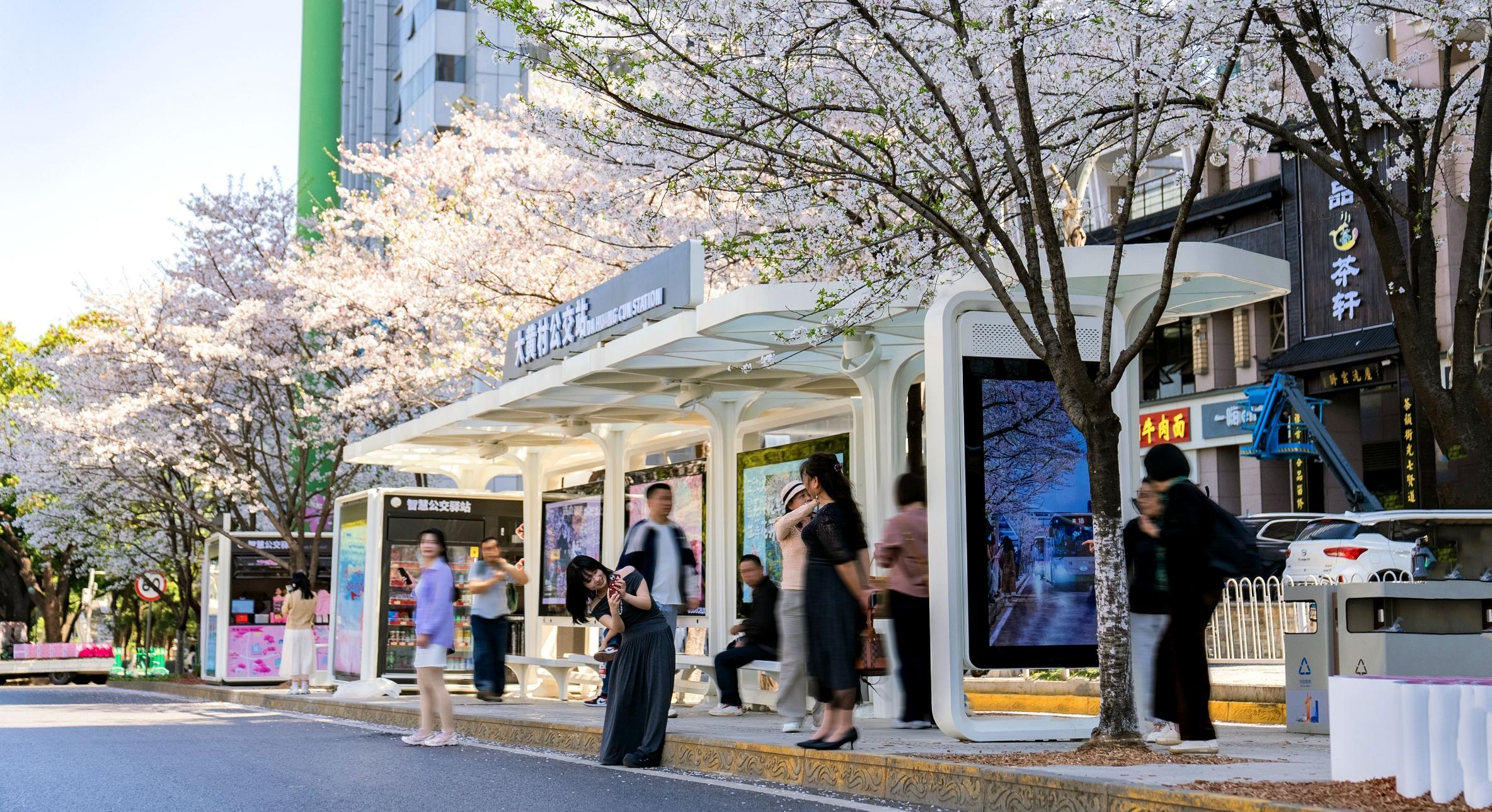
The soft glow of lanterns has always held a quiet magic, tracing back to ancient pathways where they guided footsteps and shared stories. Today, that same warmth is being woven into contemporary alleyways with fresh materials and unexpected forms. Instead of paper and bamboo, you might find lanterns crafted from recycled glass or powder-coated steel, their shapes inspired by origami folds or telescopic lenses. These aren't just lights; they're sculptures that shift the feel of a narrow space, turning a simple walk into a pause-worthy experience.
Lighting designers are playing with scale and positioning in ways that redefine the alley's rhythm. Imagine a cluster of oversized, pod-like pendants suspended at varying heights, casting dappled shadows that move with the breeze. Or slim, vertical light rods tucked into corners, emitting a gentle color temperature that mimics candlelight without the flicker. Some installations incorporate sensors that respond to movement, creating a subtle ripple of brightness as you pass—a quiet dialogue between the space and its visitors. These thoughtful touches ensure the light feels organic, never harsh or overly orchestrated.
Material innovation also allows these lanterns to thrive outdoors. Hydrophobic coatings, corrosion-resistant alloys, and waterproof LED cores mean they endure rain and wind without losing their charm. In one recent project, hand-blown glass globes were fitted with filigree metal cages, blending fragility with industrial strength. The result is an alley that feels both rooted in tradition and vividly present—a place where the old soul of the lantern meets the pulse of modern life.
Crafting Silence in Urban Hubs
The hum of a city never truly disappears—it simply gets layered beneath footsteps, distant sirens, and the steady rhythm of construction. But tucked between high-rises and overlooked alleyways, pockets of silence emerge like brief exhales. A bench beneath a lone gingko tree, the sheltered courtyard of an old brick library, or the unexpected hush inside a bookstore with carpet worn soft by decades of browsers. These spaces don't demand attention; they simply wait, offering refuge from the sensory onslaught without ever announcing themselves.
Architects and urban planners are beginning to treat silence as a material—something to be shaped, protected, and deliberately introduced rather than merely leftover. In cities like Copenhagen and Kyoto, new public spaces incorporate acoustic baffles disguised as art, moss-covered walls that swallow sound, and water features whose gentle trickle masks traffic noise without competing with it. It's a quiet revolution, one that recognizes silence not as absence but as presence, a kind of audible tenderness folded into the hard edges of urban life.
Finding silence in a city also requires a shift in perception. It's not about escaping noise entirely but learning to hear differently: picking out the low-frequency rumble of a passing train and letting it become a meditation, or noticing how footsteps echo at different temperatures. Some residents carry small rituals—early morning walks before the delivery trucks arrive, or a particular cafe seat near the window where the glass muffles the street into a distant painting. Silence, in these places, becomes a practice, a way of carving out interior space amid external chaos.
Guardians of History Alongside the Road
The old milestones crouch by the roadside, their weathered faces etched with distances that once meant everything to a traveler. Moss fills the carved numbers, softening dates into green velvet, while each crack tells a story of hooves and iron-rimmed wheels that rattled past in eras before asphalt. They are more than stone—they are quiet witnesses, holding the memory of routes that shaped communities and connected lives long before digital maps reduced journeys to blue lines on glass.
Wayside shrines and ancient marker trees also stand as silent custodians. A simple cross tucked beneath an oak might mark a tragedy from two centuries ago, maintained by hands that understand forgetting is the easiest kind of erosion. Bent by time but never broken, these landmarks serve as anchors for local memory, reminding us that every bend in the road has a before. They don’t ask for attention, yet they offer it freely—a sense of belonging stitched into the landscape, invisible to those who rush but vivid to those who pause.
In an age of constant acceleration, these roadside guardians resist. They need no power source, no updates, just the occasional clearing of underbrush by someone who cares. Their survival depends on an unspoken pact between past and present, where a farmer leaves a stone undisturbed when plowing, or a cyclist stops not for a photo but for a moment of connection. They remind us that history doesn’t only live in museums—it breathes along the routes we travel every day, asking only to be noticed.
Nature’s Blueprint in Street Design
When urban planners borrow from the tangled efficiency of leaf veins or the self-cooling genius of termite mounds, they aren’t just mimicking — they’re tapping into millions of years of refinement. Road hierarchies that branch like river deltas, drainage channels shaped like watersheds, and intersections that pulse like capillaries all stem from observing how the natural world solves complex flow problems without central command.
These biological blueprints push street design beyond rigid grids into living, adaptive networks. A curb that doubles as a bioswale filters stormwater the way a marsh does, pulling pollutants out before they hit waterways. Traffic-calming curves inspired by meandering streams slow drivers instinctively, making streets safer without overt signage. It’s not about slapping a green label on pavement — it’s about rewiring our infrastructure to behave like an ecosystem, where every edge does more than one job.
Walking Through a Living Gallery
Stepping into this space feels less like visiting a park and more like entering an ever-changing exhibit. Every trail, bloom, and weathered tree seems intentionally placed by an unseen curator. The light shifts through the canopy, highlighting textures and colors that make you pause, camera in hand, not to capture a scene but to remember how it made you feel.
You’ll find yourself wandering slowly, drawn into the smallest details—a cluster of mushrooms glistening after rain, the intricate veins of a fallen leaf, the sudden flutter of a butterfly that seems staged for a moment. There’s no plaque with a title or artist’s name, just your own curiosity interpreting what you see.
The real magic is how the gallery changes with you. A path you took last week looks entirely different today, as if the art is alive and constantly remixing itself. It’s a reminder that beauty doesn’t need a frame—it just needs someone willing to notice.
FAQ
China street furniture refers to public amenities like benches, lamp posts, trash bins, and signage that incorporate traditional Chinese design elements—such as lattice patterns, calligraphy, or mythical creature motifs—while maintaining practical use. Unlike generic street furniture, these pieces often reflect regional heritage and blend seamlessly with historic environments.
Yes, typical motifs include dragons and phoenixes symbolizing prosperity, lotus flowers representing purity, and clouds denoting good fortune. You might also see auspicious Chinese characters like '福' (fortune) carved into stone benches, or roof-like covers on pavilions echoing ancient architecture.
A street bench in a Chinese garden might have a backrest shaped like a traditional folding fan, providing ergonomic support while evoking elegance. The armrests could mimic calligraphy brush strokes, and the material—perhaps bamboo-imprinted concrete—ensures durability without sacrificing the cultural feel.
Designers often mix modern and traditional materials: weathered steel for a timeless look, recycled wood for sustainability, and granite with carved reliefs. In historical districts, you'll find bronze or copper accents that age gracefully, while newer zones might use colored glass panels with shadow-play effects inspired by paper-cutting art.
As cities expand, there's a conscious effort to preserve local identity against homogenization. Culturally enriched street furniture becomes a storytelling medium, connecting residents with their heritage and offering tourists an immersive experience. It also fosters civic pride and supports the creative industry.
Safety isn't compromised; decorative elements are often recessed to prevent snagging, edges are rounded, and load-bearing structures are engineered rigorously. For example, a lantern-shaped streetlight uses shatterproof polymers instead of real paper, and complex carvings are sealed against weathering without obscuring detail.
Conclusion
In the bustling streets of China, street furniture transcends mere utility, taking on a poetic blend of function and cultural narrative. Benches become sculpted invitations to pause, echoing the lyrical art of public seating, while in modern alleys, traditional lanterns are reimagined, casting a warm, innovative glow that bridges heritage and contemporary life. These elements are not standalone; they work in concert with noise-absorbing installations that quietly craft silence in urban hubs, offering moments of serenity amid the clamor. Alongside roads, stone guardians stand as historical sentinels, seamlessly merging visual storytelling with practical demarcation. Each piece answers a need yet whispers a deeper tale—of place, of people, and of time.
Nature’s blueprint quietly shapes the streetscape, as organic motifs and flowing lines soften concrete edges, transforming thoroughfares into a living gallery. Walking through becomes a curated journey: bus shelters, planters, and light fixtures emerge as regional artworks, reflecting local craftsmanship and identity. This fusion turns the everyday commute into an encounter with beauty, where functionality never eclipses artistry. It is a subtle revolution—redefining urban spaces as museums without walls, where cultural roots breathe through design, and passersby, perhaps unknowingly, become part of a graceful, unfolding story.
Contact Us
Contact Person: Leo
Email: [email protected]
Tel/WhatsApp: +86 18901905138
Website: https://www.zemsogroup.com/